
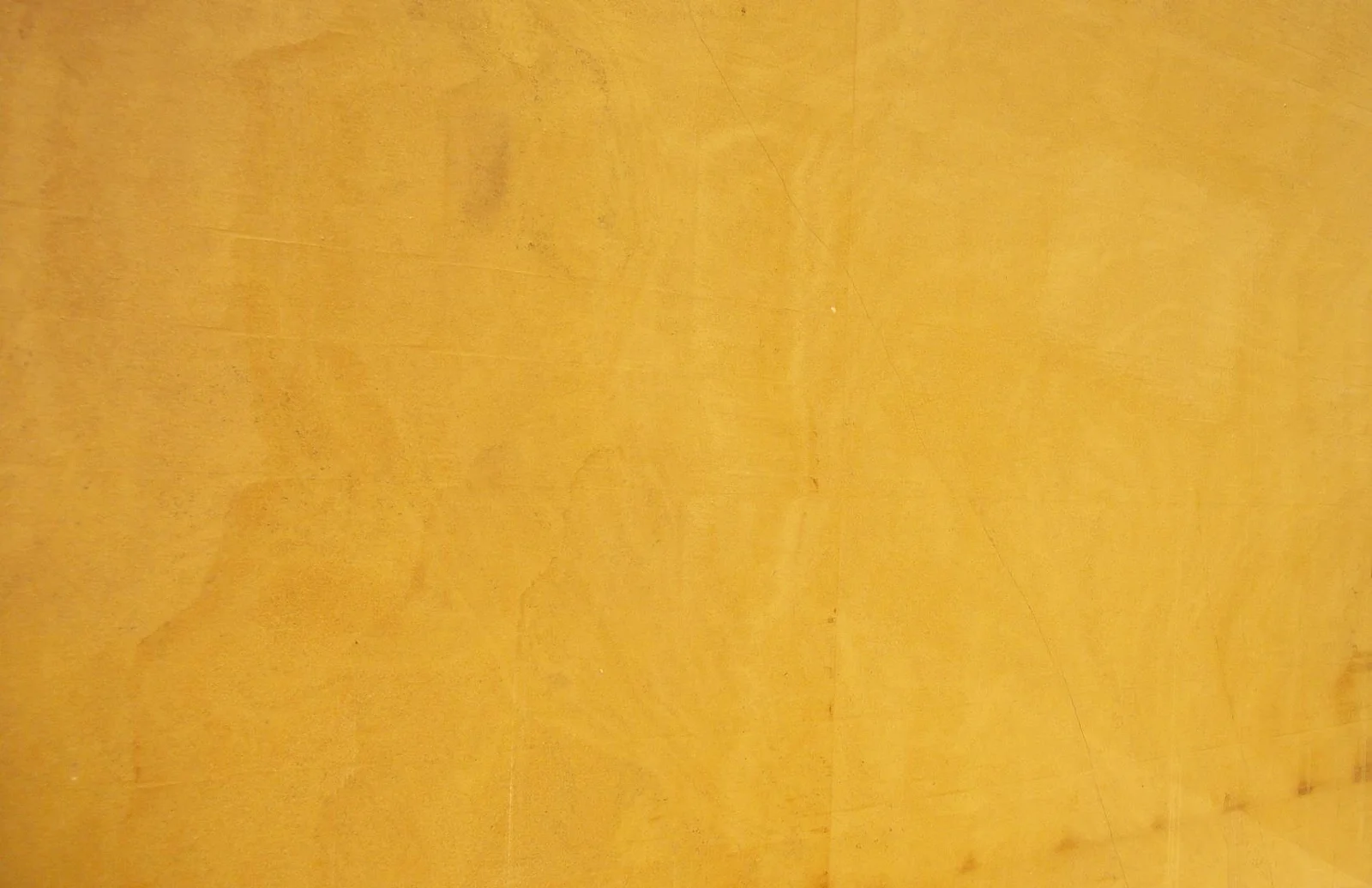
Jaisalmer Stone (Yellow Limestone)
Jaisalmer stone is a warm yellow limestone quarried in the Jaisalmer region of Rajasthan. Used for centuries in Rajasthani palaces and havelis, increasingly specified in Kerala for façade cladding, courtyards, jaali work and heritage-feel interiors. Soft, warm-toned, distinctly Indian.
Material notes, Jaisalmer Stone
Jaisalmer stone is a fine-grained yellow limestone quarried in the Jaisalmer region of western Rajasthan. Its warm yellow-gold tone, drawn from iron-oxide content in the bedded layers, has been the defining surface of Jaisalmer’s fort city, havelis and Jain temples for over eight centuries.
In contemporary Indian residential and commercial work, Jaisalmer is increasingly specified for façade cladding, courtyards, jaali (perforated-screen) work, traditional-style flooring and interior accent walls. The visual reads as warm, golden, and unmistakably Indian.
Why Jaisalmer stone keeps getting specified
- A warm yellow that ages well, develops a subtle patina over years, reads richer over time.
- Carves cleanly, the right stone for jaali screens, mouldings, decorative columns and traditional façade detailing.
- Affordable for a feature stone, sits well below premium marbles per square foot.
- UV stable, holds colour through Kerala sun.
- Visually unmistakable, no other material gives the same warm-gold reading.
Where it suits in Kerala
- Façade and elevation cladding, particularly entry-feature walls and accent panels.
- Courtyard floors in honed finish, the warmth reads beautifully with traditional textiles and brass.
- Drawing room and lobby flooring in interior settings.
- Jaali screens for windows, partition walls, lamp panels.
- Bar fronts and reception desks in retail and hospitality.
- Steps and staircase treads for warmer-toned entries.
- Pillar cladding in traditional and contemporary work alike.
Where it does not
- Direct monsoon-exposed paving in coastal Kerala, salt and prolonged wetting will weather the surface faster than denser stones.
- Kitchen counters, too soft for active cooking surface use.
- High-acid kitchens without sealing, citrus and acidic cleaners will mark unsealed surfaces.
- Heavy-traffic commercial floors (mall concourses, airport corridors), the surface wears visibly under decades of heavy footfall, specify a denser stone like granite instead.
Carving and jaali work
Jaisalmer is one of the traditional Indian carving stones. For projects requiring jaali screens, lattice panels or carved column work, we partner with craft workshops that handle the carving while we supply the raw material. Discuss at quote stage so we can sequence stone supply with the carving lead time.
Finishes in stock
| Finish | Use case | Stock status |
|---|---|---|
| Natural | Traditional courtyard, exterior | 7-12 days |
| Honed | Interior flooring, courtyard | Ex-stock common sizes |
| Polished | Lobby, drawing-room, statement walls | 7-12 days |
| Sandblasted | Exterior steps, anti-slip applications | 7-12 days |
Care
Sealed at the godown before delivery. Daily care: dry sweep, damp mop with warm water and pH-neutral cleaner. Reseal every 12 to 18 months for interior surfaces, every 12 months for outdoor/façade.
Avoid bleach, vinegar, lime juice and any acid contact, which can etch unsealed surfaces.
Get in touch
Email sales@kohinoorfloors.com or WhatsApp +91 95392 42111 with the area, application and preferred finish. We will come back with a quote and a sample-dispatch option within the working day.
Common questions on Jaisalmer Stone (Yellow Limestone)
Where does Jaisalmer stone come from and why is it yellow? +
Quarried in the Jaisalmer region of western Rajasthan, the stone gets its warm yellow tone from iron-oxide content in the sedimentary layers. The same limestone has been used in Jaisalmer's fort, havelis and Jain temples for over 800 years.
Is Jaisalmer stone suitable for Kerala's monsoon humidity? +
For interior flooring and sheltered façade work, yes, with proper sealing. For directly monsoon-exposed external paving and unprotected façade cladding in coastal Kerala, we generally specify a denser flamed granite or porcelain instead. Inland Kerala with covered verandahs handles Jaisalmer well.
Can Jaisalmer stone be carved for jaali screens? +
Yes, it's one of the traditional Indian stones for jaali (perforated screen) work. Our fabrication unit can either supply blocks for site-carving or refer you to traditional jaali craftsmen we partner with. Best to discuss this at quote stage for accurate timeline.
How is Jaisalmer stone priced compared to marble? +
Considerably less than premium marble per square foot. Jaisalmer sits in the budget-friendly natural-stone band along with Kota and Kadappa, but its visual presence (warm yellow tone, distinct character) reads as more luxurious than its price would suggest. Submit a quote enquiry for current rates.
More Limestone in Kochi
- Athangudi Tiles
-
 Kota Stone
 - Terracotta Tiles
- Kadappa Stone (Cuddapah Black Limestone)
- Kota Blue Limestone
Visit the godown. See the slabs.
Photographs only go so far. Jaisalmer Stone (Yellow Limestone) is one of 4 thicknesses we hold at the Kundannoor godown. Walk in any working day to inspect the actual stock.