
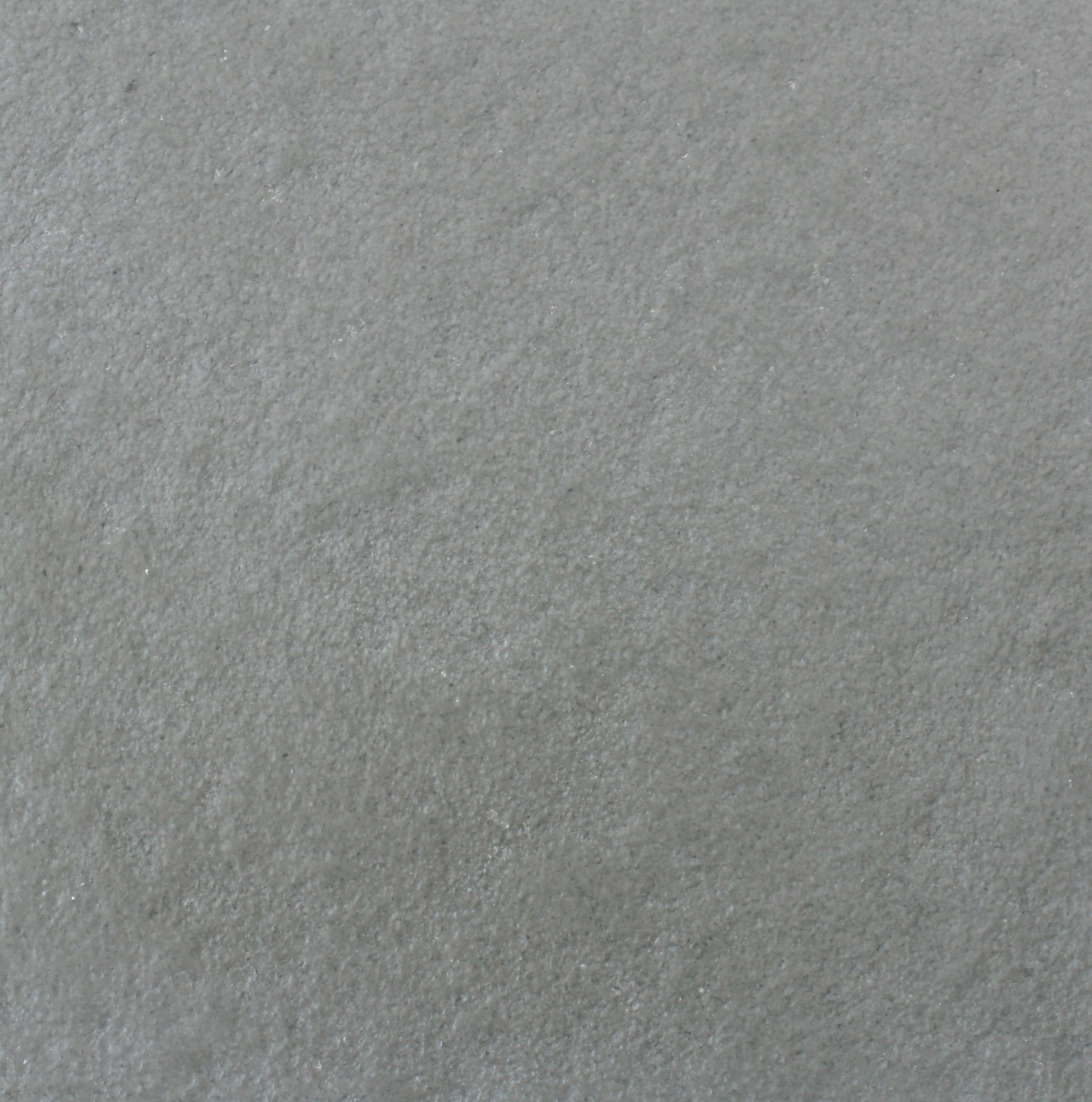
Kota Stone
Kota stone is a fine-grained limestone quarried in Kota, Rajasthan. A traditional Indian flooring stone for verandahs, courtyards, kitchens and high-traffic public spaces. Naturally non-slip, low-maintenance, and one of the most cost-effective natural stones in India.
Material notes, Kota stone
Kota stone is one of India’s most-used traditional flooring stones. It is a fine-grained limestone quarried from the Kota district of Rajasthan, supplied in three principal colour variants, Kota Blue (greenish-blue), Kota Brown (warm tan), and Kota Black (deep slate-black).
We hold all three in active inventory at the Kundannoor godown in Maradu, in 20mm, 25mm and 30mm thicknesses. Standard sizes range from 30×30 cm small format to 60×60 cm, plus “crazy Kota” random shapes for organic-pattern paving.
Why Kota stone keeps getting specified
- Naturally non-slip, even when wet. Excellent for verandahs, courtyards, bathroom floor and pool-side paving.
- Low cost for a natural stone, sits well below granite and marble per square foot.
- Hardy in monsoon climates, proven across decades of South and West Indian residential and institutional builds.
- Available in multiple finishes, natural cleft for traditional looks, mirror-polished for modern interiors, sandblasted for anti-slip exterior.
- Repairable, individual tiles can be lifted and replaced without disturbing surrounding work.
Where it suits in Kerala
- Courtyards (nadumuttom) and verandahs in traditional Kerala homes. Holds up against monsoon water for generations.
- Kitchen flooring where heavy use, water splash and oil are daily. Kota’s natural texture grips even when wet.
- Bathroom floor in honed or sandblasted finish, R10 equivalent slip rating.
- Institutional and commercial floors, schools, hospitals, temples, banks, where lifetime cost matters more than initial flash.
- Pool surrounds and external paving in sandblasted finish.
- Staircase treads in mirror-polished or honed.
Where it does not
- Polished kitchen counters, too soft for cooking-surface use. Specify granite or quartzite for counters.
- High-acid use without sealing, lemon, vinegar and tomato leave marks on unsealed surfaces.
- Direct ocean-front paving, salt blooming after years. Inland coastal applications fine.
Finishes we stock
| Finish | Look | Use case |
|---|---|---|
| Natural cleft | Rough, riven, traditional | Courtyards, verandahs, exterior |
| Honed | Matte, even surface | Interior flooring, bathroom |
| Mirror-polished | Deep gloss | Drawing room, lobby, staircase |
| Sandblasted | Coarse texture, high grip | Pool deck, exterior steps |
| Leather | Subtle texture, low glare | Modern interior with character |
Care and longevity
Kota stone holds up under heavy use for decades. Sealed at installation and resealed every 18 to 24 months, it stays stain-resistant. Daily care is warm water and a pH-neutral cleaner. Avoid bleach, vinegar and direct citric acid contact, which can etch unsealed surfaces.
Used unsealed, Kota develops a darker patina over years, which is the aesthetic choice in many traditional Kerala homes. Both approaches are valid, decide based on whether you want a stone that stays consistent or one that ages with character.
Get a quote
Email sales@kohinoorfloors.com or WhatsApp +91 95392 42111 with the area, location and preferred finish. We’ll come back with a delivered-to-site quote within the working day.
Common questions on Kota Stone
What's the difference between Kota Blue, Kota Brown, and Kota Black? +
All three are quarried from the Kota region of Rajasthan but from different beds. Kota Blue has a greenish-blue base, the most popular variant. Kota Brown is a warm tan with subtle veining. Kota Black is the densest of the three, with a near-black surface that takes a mirror polish.
Is Kota stone suitable for Kerala's monsoon climate? +
Yes, very well-suited. Kota stone has natural non-slip texture even when wet, low absorption when sealed correctly, and decades of proven service life in similar tropical conditions across South India. Specify a sealed honed or sandblasted finish for monsoon-exposed surfaces.
Is Kota stone cheaper than granite? +
Generally yes. Kota stone trade pricing typically lands well under most granites for equivalent thickness, which is why it remains the default low-cost natural-floor specification in institutional buildings, hospitals, schools, and temple precincts across India.
Does Kota stone need sealing? +
Yes, especially in Kerala humidity. A penetrating stone sealer applied at installation and reapplied every 18-24 months keeps the surface stain-resistant. Unsealed Kota develops a darker, aged patina over years which some owners actually prefer.
More Limestone in Kochi
- Kadappa Stone (Cuddapah Black Limestone)
- Kota Blue Limestone
- Athangudi Tiles
-
 Jaisalmer Stone (Yellow Limestone)
 - Terracotta Tiles
Visit the godown. See the slabs.
Photographs only go so far. Kota Stone is one of 4 thicknesses we hold at the Kundannoor godown. Walk in any working day to inspect the actual stock.